How a 40,000-hour trio controls a Rust server and turns a fresh wipe into a raid spree
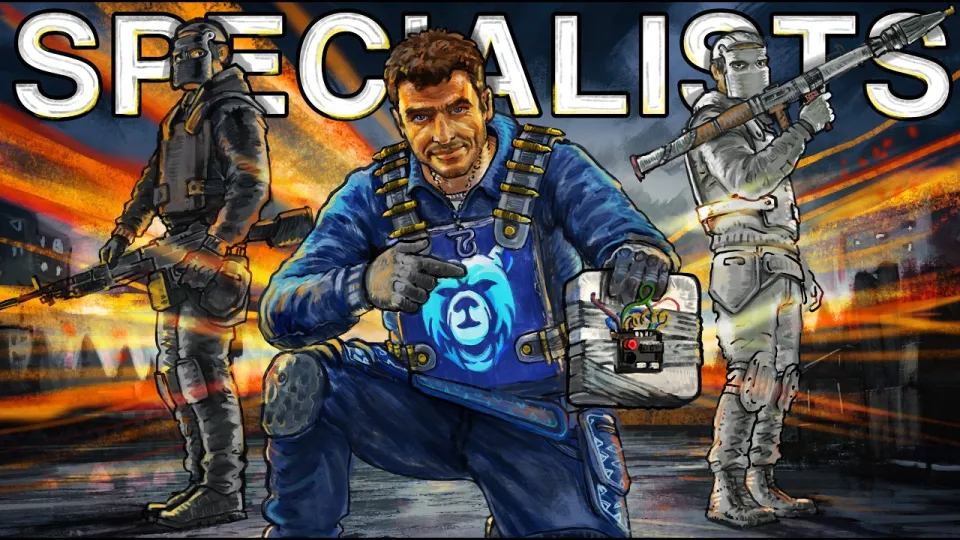
Video: How a 40,000-Hour Trio CONTROLS a SERVER - Rust
You can order the same kind of articles for your own video to boost it on YouTube and Google. Just message the Telegram bot @sat_sit_bot. It writes articles around your video, embeds the video and publishes them on popular niche websites (no ads). Try it free: 50 articles on us.
· based on the channel Blooprint
Rust is a survival game where a small, experienced group wins by converting early momentum into map control, and that is exactly what a trio with roughly 40,000 combined hours does on a 500+ pop server. Blooprint, Disfigure and Nine started the wipe without a big plan, snowballed through early fights, and then raided the competition until the server belonged to them. You can watch the run live and catch the next one on Blooprint's Twitch channel.
What a 40,000-hour trio actually means in Rust
Hours are not a flex in Rust, they are a map of the decision tree. A player with thousands of hours has already lost every common fight type, so the trio's advantage is not aim alone but the speed of routine decisions: which monument to contest, when to recycle, when to rotate home, when to push a fight and when to let it go.
On a 500+ pop server that experience compounds. Three players who can each hold their own in a 1v2 free up the group to split across monuments, run separate loot routes, and still reassemble for a raid. That is the mechanical core of server control: not one big team, but a small unit that wastes almost no time.
The trio format is also the reason the run reads as a story rather than a highlight reel. Three voices, three perspectives, and a shared base mean every raid has a defender, a builder and a driver, and every loss is felt by the whole group.
How the wipe escalated from a casual start to server domination
The run did not begin with a plan to own the server; it began with a normal fresh wipe and accelerated. The pattern is familiar to anyone who plays Rust seriously:
- Fast early progression — get a base down, secure a monument, and start converting scrap into blueprints before the server fills up.
- First real fights — win a couple of even fights, and suddenly the group has guns, kits and confidence.
- Raid snowball — every successful raid returns more sulfur, explosives and loot than it cost, which pays for the next raid.
- Reputation — once other groups know the trio raids, some bases open up without a fight, and some fights never start.
The description is blunt about the speed of it: the trio found themselves dominating the server "in no time" and were raiding all of the competition before the wipe was old. That is what control looks like in practice — not a single war, but a chain of fights and raids where the trio always arrives with more gear than the defenders expect.
Why gear fear is the real difference between raiders and loot hoarders
Gear fear loses wipes, and the run is a case study in the opposite approach. Viewers noticed the trio roaming with M2s and L9s instead of leaving top-tier weapons in a box, and that decision is what turns a good base into map pressure.
A stored M2 protects nothing. A carried M2 forces other groups to play carefully, wins fights that a SAR cannot win, and converts into more loot than the base would ever hold. The math is simple: a kit that never leaves the base has a 0% return, while a kit that roams has a positive expected return for a player who wins more than half of their fights.
That logic also explains why the trio could raid so consistently. Raiders need sulfur, and sulfur comes from farming, trading and looting — but the fastest source is other players' bases. Aggressive roams generate the fights that generate the kits that fund the raids.
The online raid dynamic and what defenders get wrong
Online raids are the part of Rust that no amount of solo practice fully prepares you for, and the wipe had its share of defended bases. The difference between a clean raid and a disaster usually comes down to preparation:
- Scouting first. Know the base layout, the door count and whether the defenders are online before the first rocket flies.
- Splash and sequencing. Cheapest path to loot, not the shortest path to the front door.
- Turret and peak control. Defenders win raids from windows and peaks; raiders win by denying those angles.
- Bag and respawn logistics. A raid is a supply chain, and a raider who has to run back from base is a raider who is losing time.
The trio's raids worked because the group treated each one as a project with roles, not as three players swinging pickaxes at a wall. Defenders who stream into the open, panic-peak, or forget to seal the breach hand the raid back to the attackers.
Typical viewer questions about the run
A lot of the audience for this content does not play Rust at all, and their questions are the most useful ones because they expose the assumptions veterans skip.
The first is whether a trio can really hold a 500+ pop server. The honest answer is that control is temporary and situational — it lasts as long as the trio keeps winning fights and keeps raiding, and it ends the moment a bigger group decides to contest the map.
The second is about the suspicious-looking moments. When a group that seemed passive suddenly lands clean shots, viewers call it out, and the fair response is that Rust has a very high skill ceiling and long-time players can look like they flipped a switch when they finally get gear.
The third is nostalgia for older trio lineups. Long-time viewers remember other combinations and want them back, which says more about how attached the audience gets to group dynamics than about the game itself.
And the fourth is the most common of all: does watching translate into playing? Many viewers say they have barely touched Rust but have lived dozens of wipes through these videos — the story carries even without hands-on experience.
Useful links
- Blooprint on Twitch — live wipes and streams.
- Blooprint on Kick — alternative streaming platform.
- Blooprint on TikTok — short clips.
- Blooprint on Twitter — announcements.
- Blooprint Discord — community and wipe talk.
What this wipe teaches about controlling a Rust server
Server control in Rust is a byproduct of tempo, not a goal you set at the start of a wipe. The trio won because it progressed fast, spent gear instead of storing it, and turned every successful fight into the funding for the next raid. A 500+ pop server punishes slow decisions and rewards groups that move as a unit with clear roles. The run is documented by the Blooprint channel, and the next live wipe is the best place to see the same pattern play out in real time — follow along at https://www.twitch.tv/blooprint.
Key takeaways
- The trio behind the wipe: Blooprint, Disfigure and Nine, with roughly 40,000 combined hours of Rust.
- The server population was 500+, which means queues, contested monuments and constant third-partying.
- The wipe had no grand plan at the start; control came from early momentum and continuous raiding.
- Full wipes of raider bases and online defenses defined the run, not one single decisive fight.
- Top-tier gear (M2 and L9 roams) was used aggressively instead of being stored in base.
Source: How a 40,000-Hour Trio CONTROLS a SERVER - Rust · Markdown version
Questions & answers
How many hours do the players in the trio have in Rust?
The title puts the group at roughly 40,000 combined hours, which works out to well over 10,000 hours per player. That level of experience shows up less in raw aim and more in routine decisions: monument routing, recycling timing, and knowing when to take or drop a fight.
Can a three-player group really control a 500+ pop server?
Only temporarily. Control depends on keeping momentum — winning fights, converting loot into raids, and staying ahead of bigger groups. A 500+ pop server always has another team willing to contest the map, so dominance lasts exactly as long as the trio keeps winning.
Why do experienced players roam with M2s and L9s instead of storing them?
Because stored gear has zero return. A carried top-tier weapon wins fights a SAR cannot, forces other groups to play cautiously, and produces loot that funds the next raid. Gear fear protects a box, not a wipe.
I have never played Rust — will this content still make sense?
Yes. The videos are built as stories: a fresh wipe, a base, rival groups and raids, with the game rules explained by context. Many viewers have played almost no Rust and still follow the arc of a wipe through these runs.